
 Deutsch
 Francais
 Italiano
Introduction
In modern automotive workshops, managing vehicle exhaust fumes is not just a question of comfort—it is a legal and operational necessity. The underfloor exhaust gas extractor offers a compact and concealed solution for capturing harmful emissions directly at the source. Designed for floor-level installation, it provides unobtrusive extraction without cluttering the workspace, making it ideal for service bays, inspection lines, and vehicle test areas. The system ensures maximum efficiency, reduces airborne contamination, and complies with international health and safety regulations.
In this article, we will explore how underfloor gas extraction works, its advantages compared to overhead or portable systems, and why it represents a forward-thinking choice for facilities focused on productivity, safety, and compliance.
How Underfloor Exhaust Gas Extraction Works
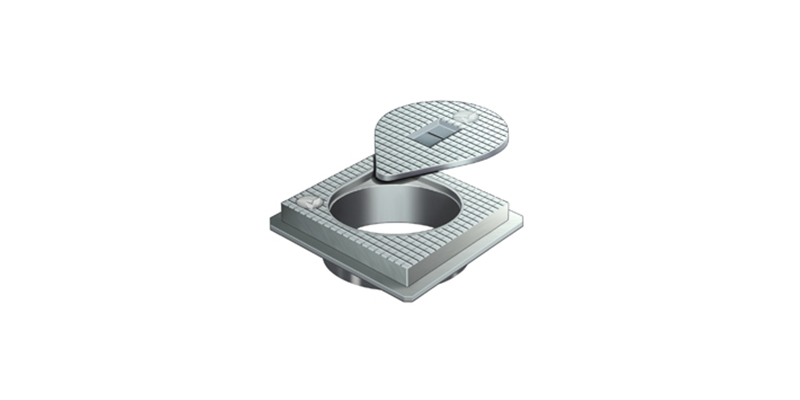
An underfloor exhaust gas extractor is installed beneath the workshop floor and connected to a network of ducts and extraction points. Vehicles are positioned above dedicated floor inlets or an underfloor trap for gases, allowing exhaust fumes to be captured immediately at the tailpipe level. The contaminated air is then conveyed through the ducting system and safely expelled outside the building or filtered according to regulatory requirements.
This configuration minimizes the dispersion of pollutants in the working environment and reduces the need for visible hoses or overhead rails. By keeping the extraction system integrated into the floor, the workspace remains clear, organized, and safer for daily operations.
Key Advantages Over Traditional Systems
Compared to overhead or portable extraction systems, underfloor gas solutions offer several operational and technical benefits. First, they improve ergonomics and safety by eliminating obstacles at head height or on the workshop floor. This reduces the risk of accidents and simplifies vehicle movement within service bays.
Second, underfloor systems provide consistent and reliable extraction performance. Because the exhaust gas extractor captures emissions directly at the source, it limits the spread of harmful gases such as carbon monoxide and nitrogen oxides. This contributes to better indoor air quality and helps workshops meet occupational health standards.
Third, from a design and planning perspective, underfloor installations support a cleaner and more professional workshop layout. They are particularly suitable for high-throughput environments such as inspection lanes, testing centers, and manufacturer service facilities where efficiency and order are critical.
Compliance and Regulatory Considerations
Regulations governing air quality and worker safety in automotive environments are becoming increasingly strict worldwide. An underfloor exhaust gas extractor supports compliance by ensuring effective removal of exhaust fumes at the point of emission. This reduces exposure risks for technicians and aligns workshop operations with international health and safety guidelines.
Moreover, many systems can be integrated with monitoring and control solutions, allowing facility managers to document performance and demonstrate compliance during inspections or audits.
A Strategic Investment for Modern Workshops
Choosing an underfloor gas extraction system is not only a technical decision but also a strategic one. It reflects a commitment to long-term efficiency, workplace safety, and regulatory compliance. While the initial installation may require planning and coordination, the long-term benefits in terms of productivity, reduced maintenance, and improved working conditions make it a sustainable solution for modern automotive facilities.