
 Deutsch
 Francais
 Italiano
Introduction
In welding environments, exposure to fumes, heat, and airborne contaminants presents serious health and safety risks. Ensuring operator protection requires a comprehensive approach that combines ventilation systems with certified personal protective equipment.
This article explores the key components of welding safety setups, including fume extraction technologies, respiratory helmets, and integrated protection systems. It provides guidance on how to select compliant, high-performance equipment that meets both regulatory standards and operational needs.
Ventilation Systems for Welding Operations
A properly designed welding ventilation system is a fundamental component of any industrial safety strategy. Welding processes generate hazardous fumes containing metal particles and toxic gases that, if not controlled, can lead to long-term respiratory issues and reduced workplace safety. Local exhaust ventilation, mobile extraction units, and centralized filtration systems are commonly used to capture contaminants directly at the source.
When selecting ventilation equipment, companies should evaluate airflow capacity, filtration efficiency, and system adaptability to different workstations. Reliable industrial safety supplies must comply with international standards and provide consistent performance in high-demand environments.
Respiratory Welding Helmets and Personal Protection
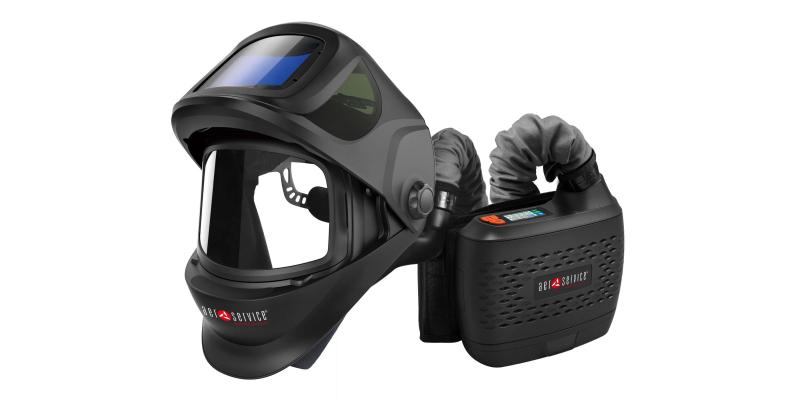
Even with effective extraction systems in place, personal protective equipment remains essential. A respiratory welding helmet integrates eye, face, and respiratory protection into a single device, ensuring continuous protection during welding tasks. These helmets typically combine auto-darkening filters with powered air-purifying respirators, reducing exposure to harmful fumes and particulates.
The selection of a respiratory welding helmet should be based on filtration class, comfort, battery life, and compatibility with other protective equipment. Certified products support compliance with occupational safety regulations and improve operator productivity by reducing fatigue and downtime.
Integrated Safety Solutions and Compliance
Modern welding environments require a coordinated approach that combines ventilation systems with personal protective equipment. Integrated solutions allow companies to standardize safety procedures, simplify maintenance, and ensure regulatory compliance.
Investing in high-quality industrial safety supplies is not only a legal requirement but also a strategic decision to reduce operational risk and improve workplace efficiency. Equipment should be evaluated based on performance data, certification, and long-term operating costs.
Selection Criteria for Industrial Applications
When purchasing welding safety equipment, decision-makers should consider process type, workspace layout, and exposure levels. A scalable welding ventilation system and properly selected respiratory helmets ensure protection across different production scenarios.
Standardization, supplier reliability, and technical support are additional factors that influence long-term performance and compliance.
Conclusion
Effective welding safety depends on the correct combination of ventilation technology and certified personal protective equipment. By selecting compliant, high-performance solutions, companies can ensure regulatory adherence, protect operators, and maintain efficient production processes.