
 Deutsch
 Francais
 Italiano
Introduction
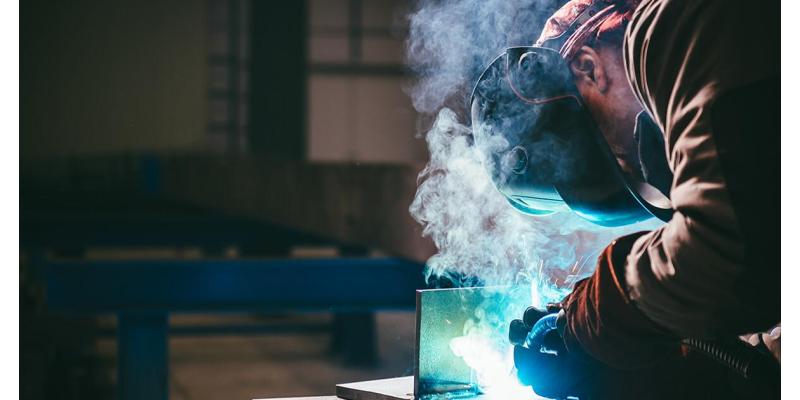
Welding processes generate fumes composed of fine solid particles, metals, and gases that can pose significant health hazards to operators and nearby personnel. These fumes often contain substances classified as carcinogenic or toxic, making proper control and ventilation a regulatory necessity.
This article explores the chemical composition of welding fumes, their associated health risks — including links to long-term illnesses — and the applicable workplace exposure standards. It also highlights the importance of effective fume extraction systems in maintaining a safe and compliant work environment.
What Do Welding Fumes Contain?
Welding fumes are a complex mixture of airborne contaminants produced when metals are heated above their boiling point and condense into fine particles. The exact composition depends on the welding process, base materials, consumables, and coatings involved.
Common components include:
-
Metal oxides such as iron oxide, aluminum oxide, and zinc oxide
-
Hazardous metals including manganese, chromium (especially hexavalent chromium), nickel, and cadmium
-
Gases such as ozone, nitrogen oxides, carbon monoxide, and shielding gas by-products
These particles are typically respirable, meaning they can penetrate deep into the lungs when inhaled.
Health Risks Associated with Welding Fumes
Exposure to welding fumes has been linked to both acute and chronic health effects. Short-term exposure may cause irritation of the eyes, nose, and respiratory tract, as well as symptoms such as dizziness or metal fume fever.
Long-term exposure presents more serious concerns. Scientific studies have established a correlation between welding fumes and cancer, particularly lung cancer. Certain compounds, such as hexavalent chromium and nickel compounds, are classified as carcinogenic. Prolonged inhalation may also contribute to:
-
Chronic obstructive pulmonary disease (COPD)
-
Neurological effects associated with manganese exposure
-
Cardiovascular disorders
The risk increases significantly in poorly ventilated environments.
Workplace Exposure Standard for Welding Fumes
Regulatory authorities worldwide define occupational exposure limits for welding fumes and their individual components. These limits specify the maximum airborne concentration permitted over a defined working period.
Compliance with workplace exposure standards for welding fumes requires:
-
Continuous risk assessment
-
Air quality monitoring
-
Engineering controls such as local exhaust ventilation and fume extraction systems
Failure to control exposure may result in regulatory non-compliance, health claims, and reduced workforce productivity.
Importance of Fume Extraction Systems
Effective fume extraction is a critical preventive measure. Properly designed systems capture fumes at the source, reducing airborne contamination before it reaches the breathing zone. This approach not only protects worker health but also supports compliance with occupational safety regulations.