
 Deutsch
 Italiano
 English
What Is an Aspiration System? Functions and Applications
In industrial environments, maintaining safe and clean air conditions is not only a matter of productivity but also of regulatory compliance and worker protection. Aspiration systems play a fundamental role in extracting airborne contaminants such as dust, fumes, and hazardous particles directly at the source. This article provides a comprehensive overview of what an aspiration system is, its key components, and its specific applications in metalworking and welding. Whether you are considering a fixed or portable solution, understanding how these systems work is essential for making informed decisions about workplace air management.
The Problem: Welding Fumes and Metallic Particulates
Metalworking and welding processes generate significant volumes of hazardous contaminants. Welding fumes consist of fine particles containing metals like manganese, chromium, and nickel, all of which pose serious health risks when inhaled over prolonged periods. Grinding, cutting, and polishing also release metallic dust that can accumulate in work areas and on equipment. Without effective extraction, these pollutants lead to chronic respiratory conditions, skin irritation, and regulatory non-compliance.
The Solution: Aspiration Systems for Metalworking and Welding
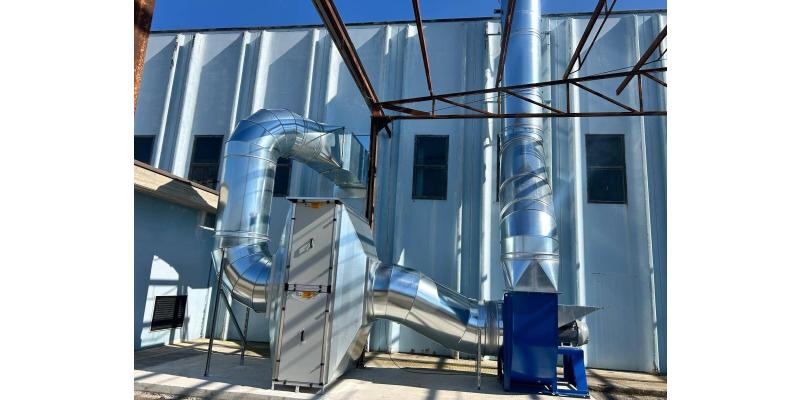
An aspiration system is an engineered solution designed to capture and filter welding fumes and metallic particulates directly at the point of emission. The system typically includes extraction arms or hoods positioned near welding stations, ducting to transport contaminated air, filtration units to remove hazardous particles, and exhaust mechanisms to discharge clean air.
A portable aspiration system offers flexibility for environments where workstations are frequently repositioned or where fixed ductwork is not practical. In welding operations, high-efficiency filters are essential to separate ultrafine metal particles before they can disperse into the wider workspace.
Benefits of Implementing Aspiration Systems
Using an aspiration system for dust and fumes in metalworking provides clear operational and safety benefits:
- Health Protection: Reduces operator exposure to carcinogenic metals and fine particulates.
- Regulatory Compliance: Aligns processes with occupational safety standards and air quality regulations.
- Operational Efficiency: Minimizes contaminant buildup on equipment, lowering cleaning and maintenance needs.
- Improved Working Conditions: Enhances overall workplace cleanliness and reduces downtime due to health-related absences.
Applications in Metalworking Environments
Aspiration systems are widely used in:
- Manual welding stations
- Robotic welding cells
- Grinding and deburring workstations
- Plasma and laser cutting tables
Each application requires precise airflow rates, suitable filter configurations, and compliance with local regulations.
Conclusion
Understanding what an aspiration system is and how it supports safe operations in metalworking and welding is essential for any organization committed to protecting workers and maintaining regulatory compliance. Whether implementing a portable aspiration system or a centralized solution, investing in proper air extraction safeguards both personnel and production quality.
✅ Improve air quality with Aerservice aspiration systems
✅ Improve your production environment with our aspiration solutions.